Why India Stands Out in Premium Basmati Rice Production?
India’s unique climate, fertile soil of the Indo-Gangetic plains, and advanced processing infrastructure make it the global center for premium basmati rice production.
Detailed Explanation:
- Ideal agro-climatic conditions
- Advanced milling and sorting technology
- Strong export network
- Strict quality certifications (APEDA, ISO, HACCP)
- Expertise in aging and grading long grains
These factors make Indian suppliers highly preferred in global markets like the Middle East, Europe, and North America
How to Choose the Best Basmati Rice Manufacturer?
Look for certifications, export experience, grain quality consistency, packaging standards, and transparent sourcing practices.
Key Factors to Consider:
- Grain length after cooking
- Aroma retention
- Aging process (12–24 months preferred)
- Export certifications
- Private label and bulk packaging options
Choosing experienced Basmati rice Manufacturers ensures consistent supply and long-term business reliability.
What Makes Premium Long-Grain Basmati Different?
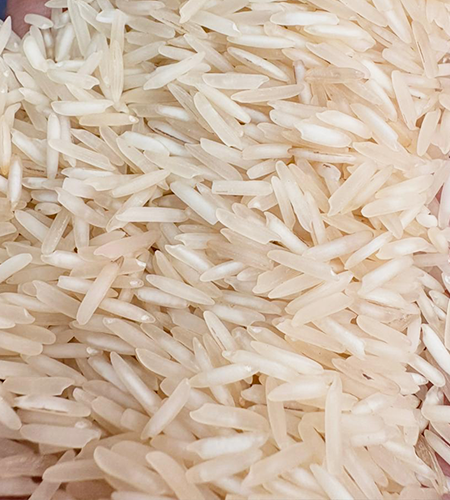
Premium basmati rice elongates up to twice its original length after cooking and retains a distinct aroma.
Key Characteristics:
Extra-long grain (8.3mm+ before cooking)
Non-sticky texture
Strong natural fragrance
Separate, fluffy grains after cooking
Leading Basmati rice Manufacturers invest heavily in aging and grading to maintain these standards.
Which Varieties Are Most in Demand Globally?
1121 Steam, 1121 Sella, Traditional Basmati, and Pusa Basmati are highly demanded worldwide.
Popular Varieties:
1. 1121 Steam Basmati
2. 1121 Golden Sella
3. Traditional Basmati
4. Brown Basmati
5. Organic Basmati
Export markets prefer longer grains with consistent elongation and aroma retention.
Why Certifications Matter in Basmati Rice Manufacturing?
Certifications ensure safety, hygiene, and international trade compliance.
Important Certifications:
- APEDA
- ISO
- HACCP
- FSSAI
- Non-GMO Compliance
Certified companies provide trust and transparency in global trade.
How Do Manufacturers Maintain Quality?
Through strict grading, sorting, polishing, and controlled aging processes.
Quality Control Includes:
Paddy selection
Moisture testing
Color sorting
Broken grain separation
Laboratory testing
These steps ensure export-grade rice meets international standards.
Is Private Label Basmati Rice a Good Business Opportunity?
Yes, private labeling allows retailers and distributors to sell premium basmati under their own brand.
Benefits:
Brand ownership
Flexible packaging
Higher profit margins
Customized branding
Companies like Paramounte Rice offer private label solutions tailored for global buyers.
Conclusion
India remains the global leader in premium long-grain basmati production. The companies listed above represent some of the most trusted names in the industry.
Whether you are an importer, wholesaler, or retailer, partnering with experienced manufacturers ensures consistent quality, strong aroma, and long grain performance.
If you are exploring reliable sourcing options, consider working with established industry leaders who prioritize quality control, certification compliance, and long-term partnerships.
FAQs
1. What is the ideal grain length of premium basmati rice?
Premium basmati rice typically measures 8.3mm or more before cooking and elongates significantly after cooking.
2. Which basmati rice variety is best for export?
1121 Steam and 1121 Sella are among the most exported varieties due to their long grain and aroma.
3. How long should basmati rice be aged?
For optimal aroma and elongation, basmati rice is usually aged for 12–24 months.
4. Why choose Indian manufacturers?
India offers ideal growing conditions, advanced milling facilities, and strong export infrastructure.