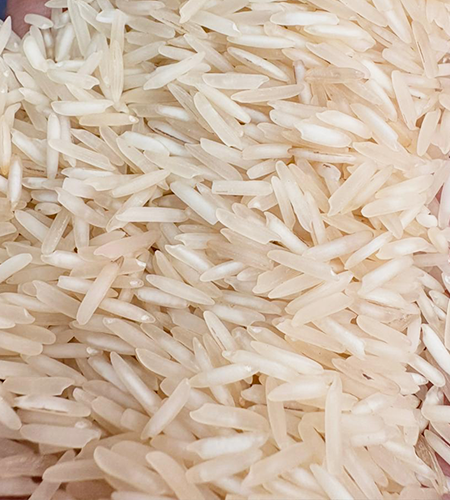
Why Is India Famous for Basmati Rice?
India’s climate, soil, and centuries-old farming methods give Basmati rice its signature fragrance and fluffy grains.
More Details:
Northern states like Punjab and Haryana provide ideal growing conditions.
Farmers use time-tested methods to ensure quality.
Manufacturers such as Paramounte Rice preserve these traditions while meeting modern quality standards.
How to Choose the Right Basmati Rice Manufacturer in India?
Look for quality, certifications, transparency, and a reliable supply chain.
More Details:
Ensure the manufacturer has ISO or FSSAI certifications.
Check their sourcing and processing methods.
Trust brands like Paramounte Rice, known for premium quality and timely delivery.
Reading customer reviews and export history helps make an informed choice.
Which Regions in India Produce the Best Basmati Rice?
Punjab, Haryana, Delhi, and Western Uttar Pradesh are the hotspots for premium Basmati rice.
Punjab and Haryana: Extra-long grains.
Uttarakhand & Delhi: Exceptional aroma and texture.
Top manufacturers, including Paramounte Rice, maintain strict quality control across these regions.
How Do Manufacturers Ensure Quality?
Through careful sourcing, modern processing, and frequent quality checks for aroma, grain length, and purity.
More Details:
Broken or discolored grains are removed using both machines and manual sorting.
Moisture levels are strictly monitored.
Paramounte Rice combines traditional expertise with advanced machinery for premium results.
Can I Buy Basmati Rice Directly from Manufacturers?
Yes! Many manufacturers sell directly to wholesalers, retailers, and even individual customers.
More Details:
Direct purchases often guarantee authenticity and better pricing.
Brands like Paramounte Rice offer online ordering and delivery services.
Bulk buyers may even get customized packaging.
What Makes a Manufacturer Reliable for Export?
Certifications, strong logistics, and consistent quality checks are key.
More Details:
ISO, HACCP, and FSSAI certifications matter.
Proper storage and shipping ensure grains reach international markets intact.
Paramounte Rice has a proven track record for exporting premium Basmati rice globally.
How Should I Store Basmati Rice at Home?
Keep it in an airtight container, away from sunlight and moisture.
More Details:
Store in a cool, dry place to maintain aroma.
Avoid thin plastic bags that may let moisture in.
Proper storage keeps grains fluffy and fragrant for months.
Conclusion
India has rightly earned its reputation as the hub for Basmati rice manufacturers in India. With perfect growing conditions, centuries of expertise, and modern manufacturing techniques, Indian Basmati rice continues to delight taste buds worldwide.
Brands like Paramounte Rice combine tradition and technology, delivering authentic, high-quality Basmati rice every time. Choosing the right manufacturer ensures you get premium rice while supporting India’s rich agricultural heritage.
Whether for home use or export, India’s Basmati rice manufacturers remain a benchmark for quality, aroma, and taste.
FAQs
1. What makes Basmati rice different from other rice varieties?
Basmati rice is known for its extra-long grains, natural aroma, and fluffy texture after cooking. It grows mainly in Northern India under specific climatic conditions, which gives it a distinct fragrance and taste that regular rice varieties do not have.
2. How do I choose the best Basmati rice brand?
Look for long, uniform grains, aged rice, proper certifications, and positive customer reviews. Trusted brands like Paramounte Rice focus on strict quality checks, modern processing, and hygienic packaging to ensure premium quality in every pack.
3. Is Indian Basmati rice good for export?
Yes, Indian Basmati rice is highly demanded worldwide due to its superior aroma and quality. Reliable manufacturers follow international standards, proper grading, and safe packaging to ensure the rice reaches global markets fresh and intact.
4. How should Basmati rice be stored for long-lasting freshness?
Store Basmati rice in an airtight container in a cool, dry place away from sunlight. Proper storage prevents moisture buildup and preserves its aroma, texture, and taste for several months.
5. Why is aged Basmati rice considered better?
Aged Basmati rice has lower moisture content, which makes the grains cook longer, fluffier, and more separate. Aging also enhances the natural aroma and improves the overall taste and texture of the rice.